
Investing in San Diego Real Estate: How to Evaluate Rental Properties

San Diego has long attracted real estate investors. Steady demand for housing, a diverse economy and the appeal of coastal living all play a part. But a good investment depends on the specific property, the numbers and the rules that apply to it. This guide covers how to evaluate rental properties in San Diego and North County so you can make decisions with clear eyes.
This article is general information, not financial, tax or legal advice. Talk with your CPA, attorney and lender about your situation.
Why do investors look at San Diego?
- Housing demand: a large population, major employers, universities and military bases support rental demand
- Limited land: the ocean, mountains and protected open space constrain new development
- Variety: condos, single-family homes, small multi-unit buildings and properties with ADU potential
Each area has its own mix of property types and renters. Coastal North County cities like Oceanside, Carlsbad and Encinitas offer different opportunities than central San Diego neighborhoods.
How do you evaluate a rental property?
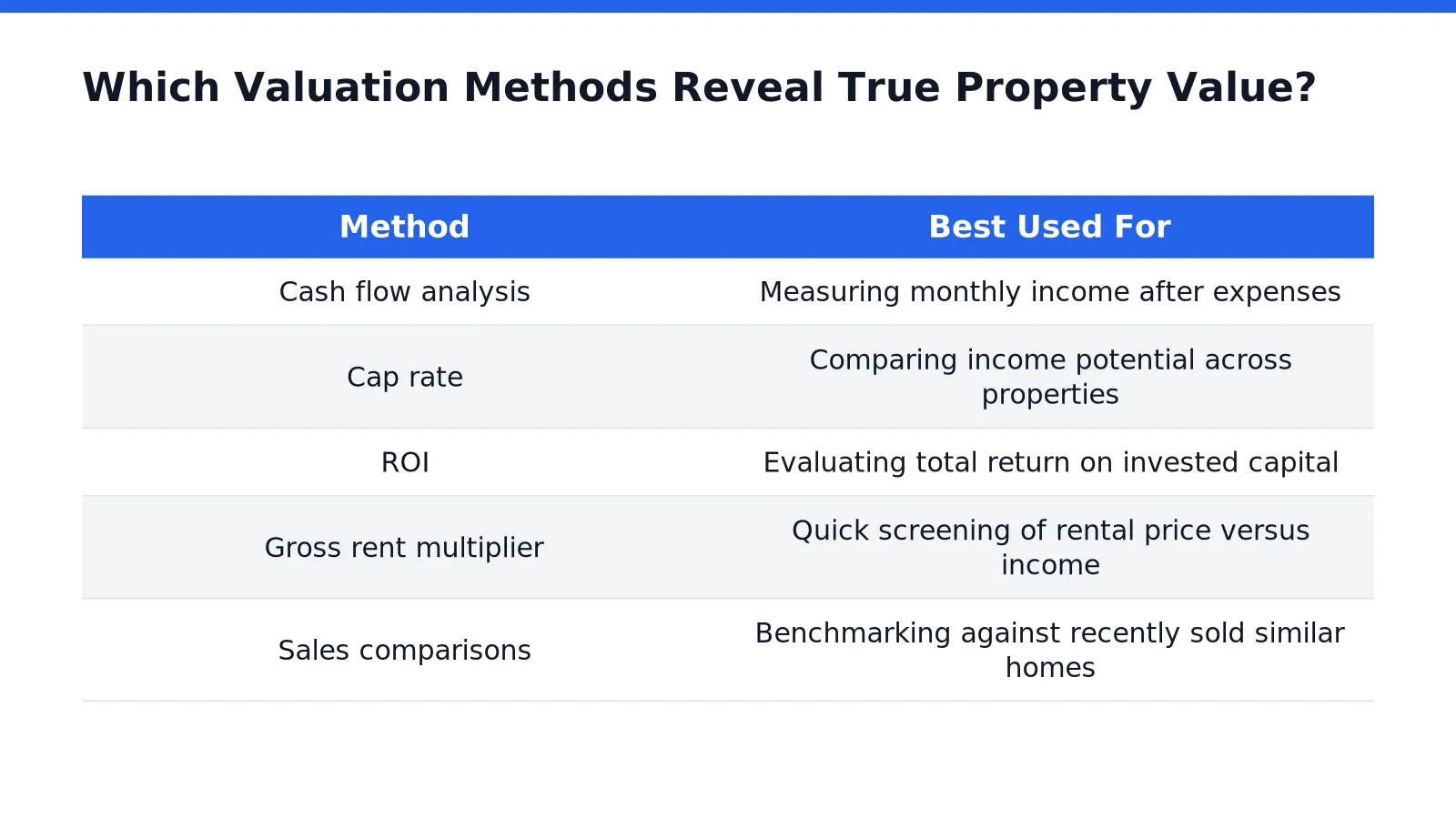
Start with realistic numbers. Common measures include:
- Net operating income (NOI): rental income minus operating expenses, before financing
- Cap rate: NOI divided by the purchase price, useful for comparing properties
- Cash-on-cash return: annual cash flow divided by the cash you invest
- Gross rent multiplier: purchase price divided by gross annual rent, a quick screening tool
Base rent estimates on comparable rentals nearby, and include every expense: property taxes, insurance, HOA dues, utilities you pay, maintenance, vacancy, management and capital reserves for roofs, systems and appliances.

What rules affect San Diego rental properties?
- State tenant protections: California's Tenant Protection Act limits annual rent increases and requires just cause for many evictions, with some exemptions
- Local ordinances: the City of San Diego and other cities have their own tenant protection rules
- Short-term rentals: require a license in the City of San Diego, and whole-home licenses are limited
- HOA rules: condo and planned communities may restrict rentals
- ADUs: state law has made it easier to add accessory dwelling units on many lots, subject to local rules
Rules change, so confirm current requirements with the city and a qualified professional before you buy.
What types of investment properties are available?
- Condos and townhomes: lower entry points and less exterior maintenance, but HOA dues and rental rules matter
- Single-family homes: broad appeal to renters and future buyers
- Small multi-unit buildings: multiple income streams under one roof
- Properties with ADU potential: the chance to add a rental unit on the same lot
What should you inspect before buying a rental?
- Roof, plumbing, electrical and HVAC age and condition
- Sewer lateral and foundation, especially in older buildings
- Permits for any added units, garage conversions or remodels
- Current leases, rent rolls and security deposits if tenants are in place
- Smoke and carbon monoxide detectors and other safety items
How do you avoid common rental property mistakes?
- Overestimating rent or underestimating expenses
- Skipping reserves for big-ticket repairs
- Assuming a property can be used as a short-term rental
- Buying an unpermitted unit without understanding the risk
- Not reviewing leases and tenant rights when buying an occupied property
Robert helps investors review comparable rents and recent sales, and can set up searches for properties that fit your criteria. Start browsing on our property search.

Frequently asked questions about San Diego real estate investing
Is San Diego a good place to invest in real estate?
Many investors are drawn to San Diego for its steady housing demand and limited land. Whether a specific property is a good investment depends on the price, rents, expenses, financing and your goals.
What is a cap rate?
Cap rate is net operating income divided by the purchase price. It helps compare properties before financing is considered.
Can I turn my San Diego property into a short-term rental?
Short-term rentals require a city license, and whole-home licenses in the City of San Diego are limited. Review current rules before buying with that plan.
Are there rent control rules in San Diego?
California's Tenant Protection Act limits annual rent increases for many properties, and local ordinances add tenant protections. Exemptions apply, so confirm how the rules affect a specific property.
Can I add an ADU to an investment property?
Many lots can support an ADU under state and local rules. Feasibility depends on the lot, zoning and utilities, so check with the city and a design professional.
Looking for your next investment?
A good investment starts with good information. Robert Santangelo helps investors find and evaluate properties across San Diego and North County. Reach out to Robert to talk about your goals. If you already own, a home valuation can show where your property stands.
Recent Posts