Buying in Pacific Beach, San Diego: Coastal Zoning, Cottages and Condos
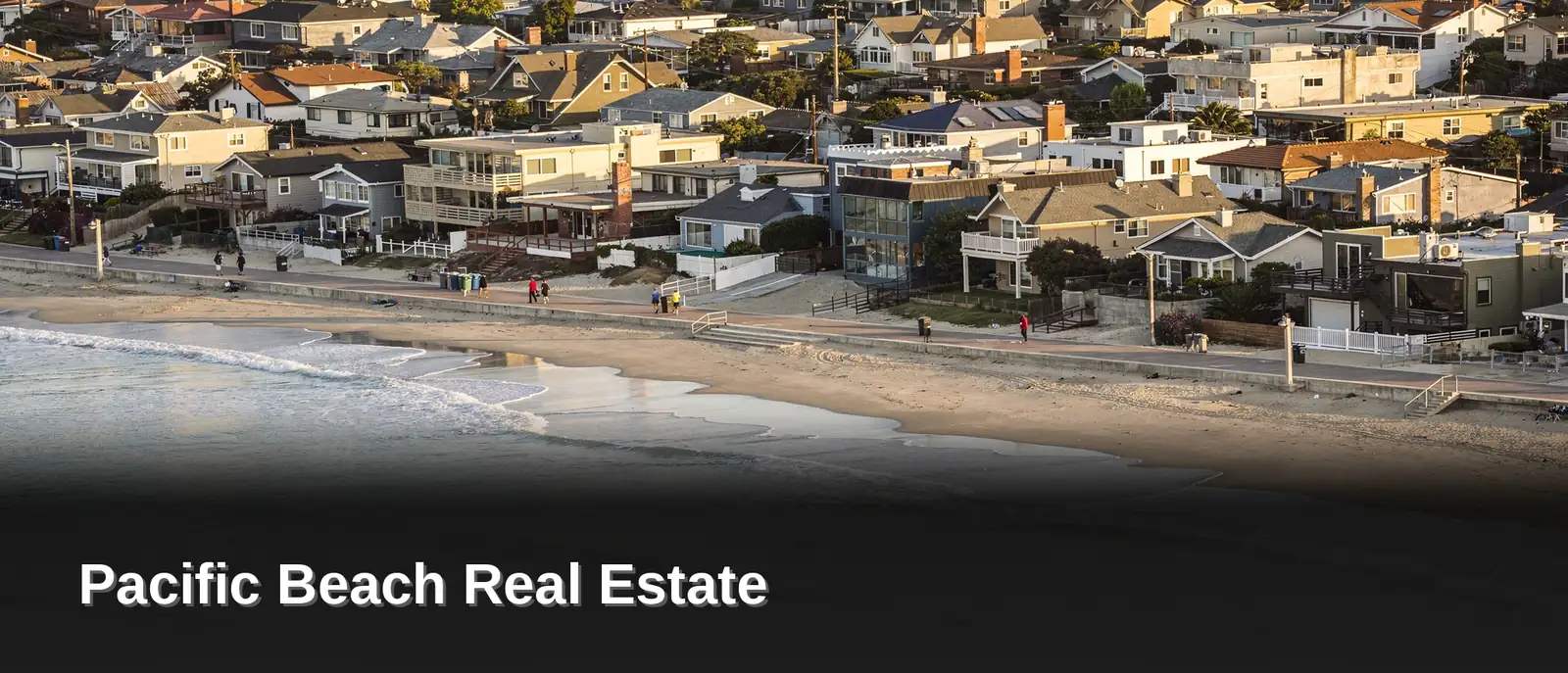
Pacific Beach is one of San Diego's best known beach neighborhoods. Between the ocean to the west, Mission Bay to the south and the slopes below La Jolla to the north, PB packs a lot of variety into a small area. That variety is great for buyers, but it also means the rules that shape a property can change from one block to the next.
This guide covers what to know about coastal zoning, the 30-foot height limit, short-term rental rules and the trade-offs between cottages and condos before you buy in Pacific Beach.
What makes Pacific Beach real estate unique?
Pacific Beach is not one uniform neighborhood. It is a collection of residential pockets connected by a broad street grid, and each has its own feel:
- Near the ocean, west of Mission Boulevard: beach cottages, older homes and condos close to the sand and boardwalk
- Around Garnet Avenue: the commercial and dining corridor, with condos and walkable blocks
- North Pacific Beach: quieter residential streets, some with elevation and views
- Crown Point and the bayfront: homes oriented toward Mission Bay and its parks and paths
Two homes a few blocks apart can differ a lot in noise, parking, views and what the rules allow. Matching your priorities to the right pocket is the first step. Explore more of the area on our San Diego community page.
How does coastal zoning affect Pacific Beach properties?
Much of Pacific Beach lies within the California Coastal Zone. Properties in the Coastal Zone can require a Coastal Development Permit for certain work, in addition to a standard building permit from the City of San Diego. That review can add time and design requirements to remodels, additions and new construction.
If you plan to remodel, add square footage or build an accessory dwelling unit, confirm the property's Coastal Zone status and zoning early. The City of San Diego Development Services Department and its online zoning maps are the best starting points.
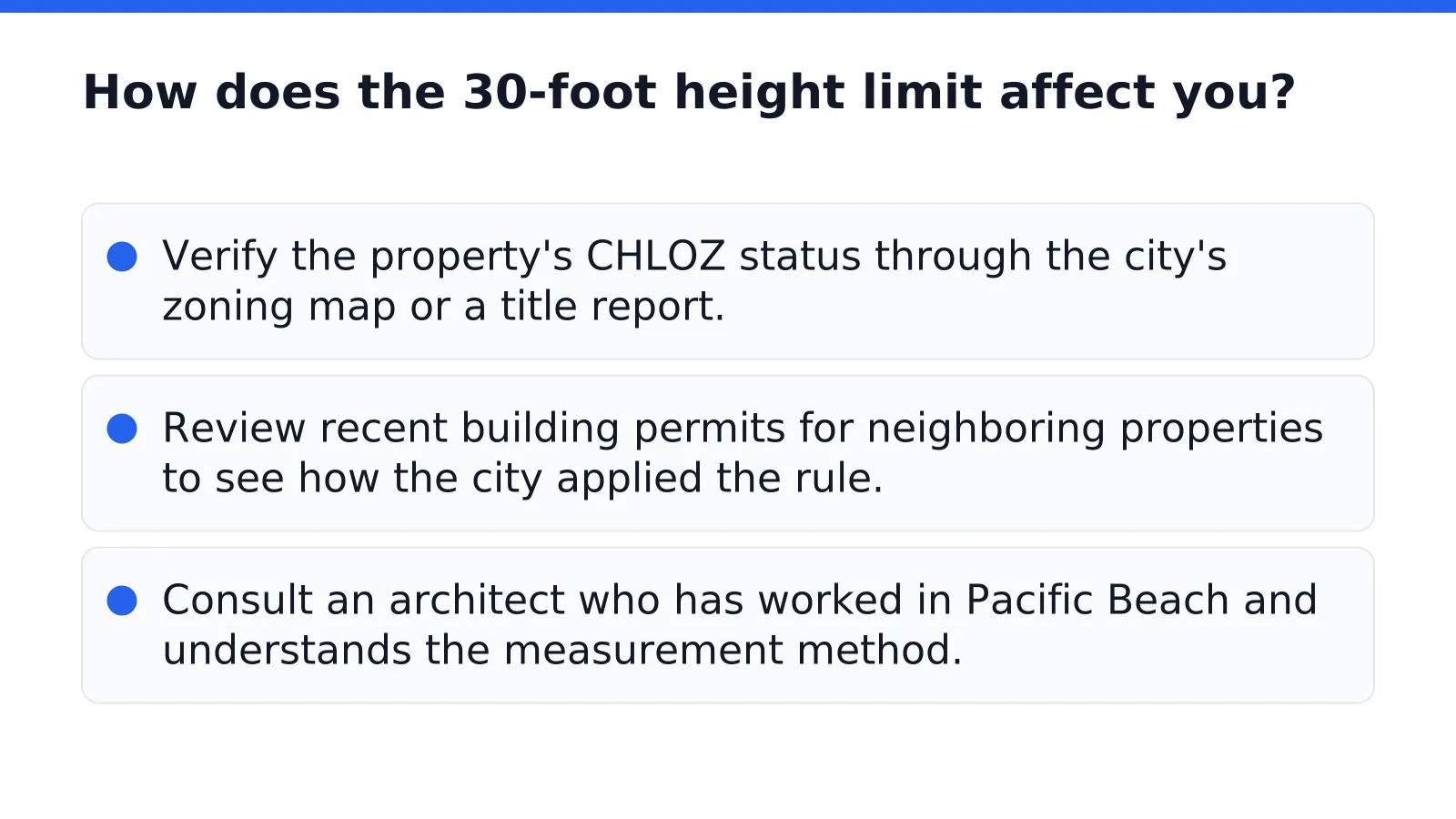
What does the 30-foot height limit mean for buyers?
In 1972 San Diego voters approved Proposition D, which created the Coastal Height Limit Overlay Zone and set a 30-foot height limit in defined coastal areas, including Pacific Beach. The limit protects neighborhood scale and ocean views, and it is a permanent part of the planning picture.
For buyers, that has a few practical effects:
- A home's current size may be close to its maximum, especially if it already has two stories
- Roof decks and other vertical additions need to fit within the limit
- Neighbors are also limited, which helps protect existing views and light
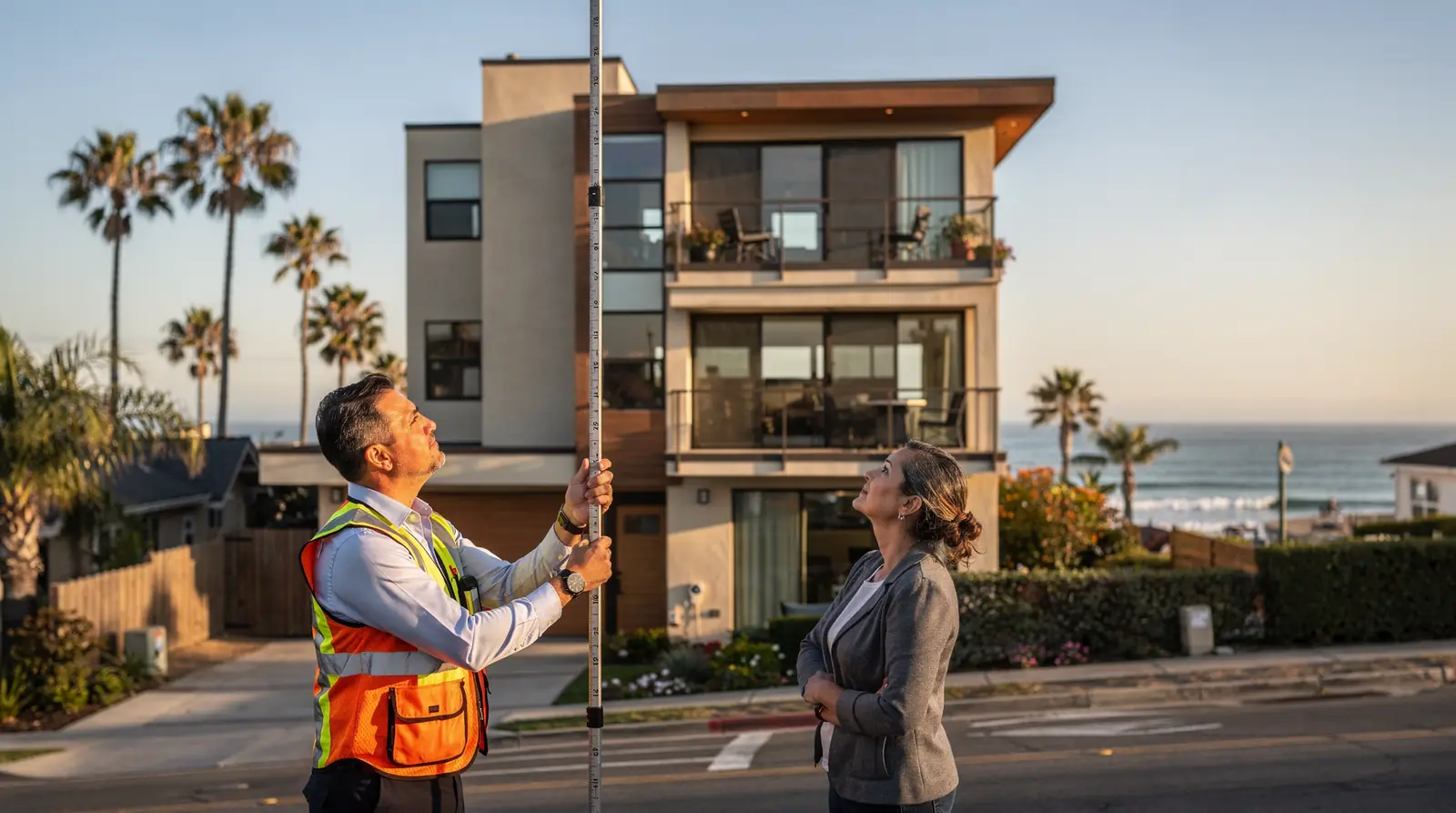
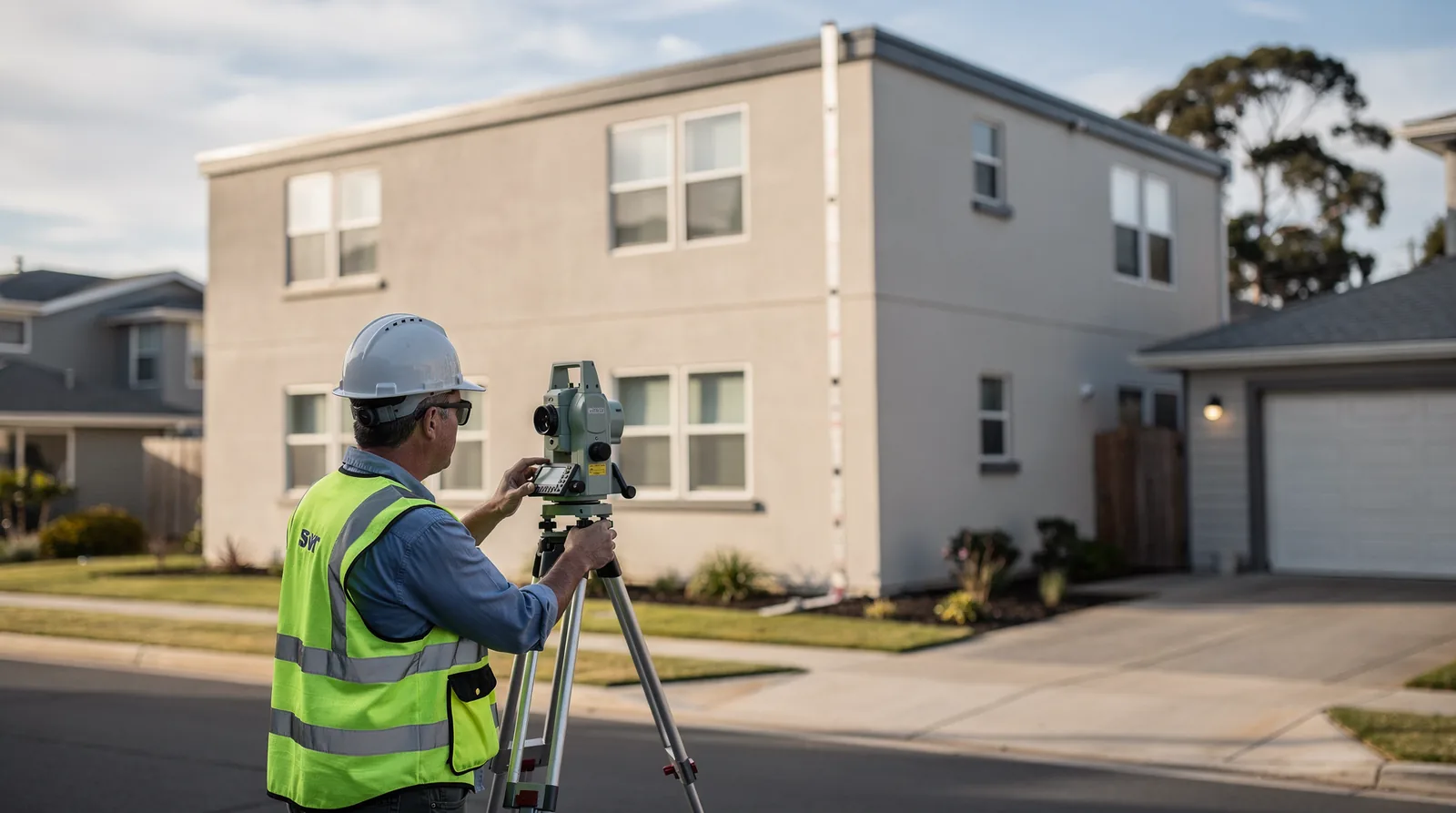
Height is measured under city rules that can be affected by grade and slope, so if adding space up is part of your plan, have an architect familiar with Pacific Beach review the property before you commit.
Should you buy a cottage or a condo in Pacific Beach?
Both are popular, and each fits a different lifestyle.
Beach cottages and older homes
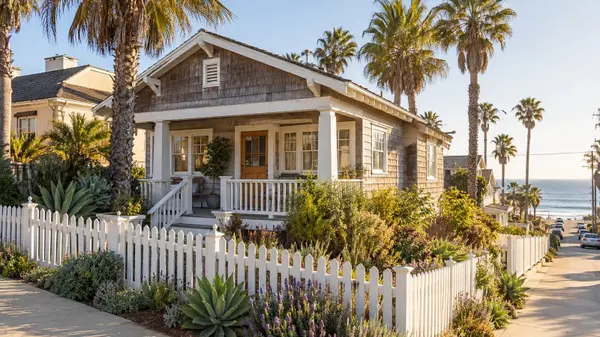
Cottages offer character, outdoor space and a classic beach feel. They often come with older systems, smaller rooms and limited parking, and any expansion has to work within coastal rules and the height limit.
Condos
Condos offer lower maintenance and walkability, especially near Garnet Avenue and the beach. Review HOA fees, reserves, rules, parking and any rental restrictions in the CC&Rs before you write an offer.
Can you rent out a Pacific Beach property short term?
Short-term rentals in San Diego require a license from the city, and the rules are specific. Licenses for whole-home short-term rentals are limited citywide and issued through a lottery, so buying a home does not guarantee you can rent it on a short-term basis. Home-sharing licenses have different requirements.
If rental income is part of your plan, review the City of San Diego's current Short-Term Residential Occupancy rules, confirm the status of any existing license and how it is treated on a sale, and check HOA restrictions for condos. Long-term rentals have their own requirements as well. For a broader look at rental properties, see our post on San Diego real estate investing.
What should you check before buying in Pacific Beach?
- Coastal Zone and zoning status for the exact parcel
- Permit history for past additions and remodels
- Flood zone and insurance considerations, especially near Mission Bay
- Coastal wear such as salt air damage to windows, metal and decks
- Parking and how it works for the specific property
- HOA documents for condos, including rental rules and reserves
Robert helps buyers work through these details and compare recent sales so offers reflect real market activity. You can also start browsing on our property search.
Frequently asked questions about Pacific Beach real estate
Is all of Pacific Beach in the Coastal Zone?
Much of Pacific Beach is, but status depends on the specific parcel. Confirm it with the City of San Diego zoning maps or Development Services before planning any work.
Can I add a second story to a Pacific Beach home?
Possibly. Any addition has to fit within the 30-foot coastal height limit and applicable zoning, and may need a Coastal Development Permit. An architect can review feasibility for a specific property.
Can I buy a Pacific Beach home to use as a vacation rental?
Short-term rentals require a city license, and whole-home licenses are limited and issued by lottery. Buying a property does not guarantee a license, so review the current city rules before you buy.
What should I look for in a Pacific Beach condo?
Review the HOA budget and reserves, fees, rental rules, parking and any special assessments. Ask about the age and condition of shared systems like roofs and plumbing.
How do I know what my Pacific Beach home is worth?
Value depends on location within PB, condition, views and recent comparable sales. You can request a home valuation to get started.
Thinking about Pacific Beach?
Pacific Beach rewards buyers who understand the rules before they make an offer. Robert Santangelo helps clients sort through zoning, rentals and property details so they can buy with confidence. Reach out to Robert to talk about your goals.
Categories
Recent Posts